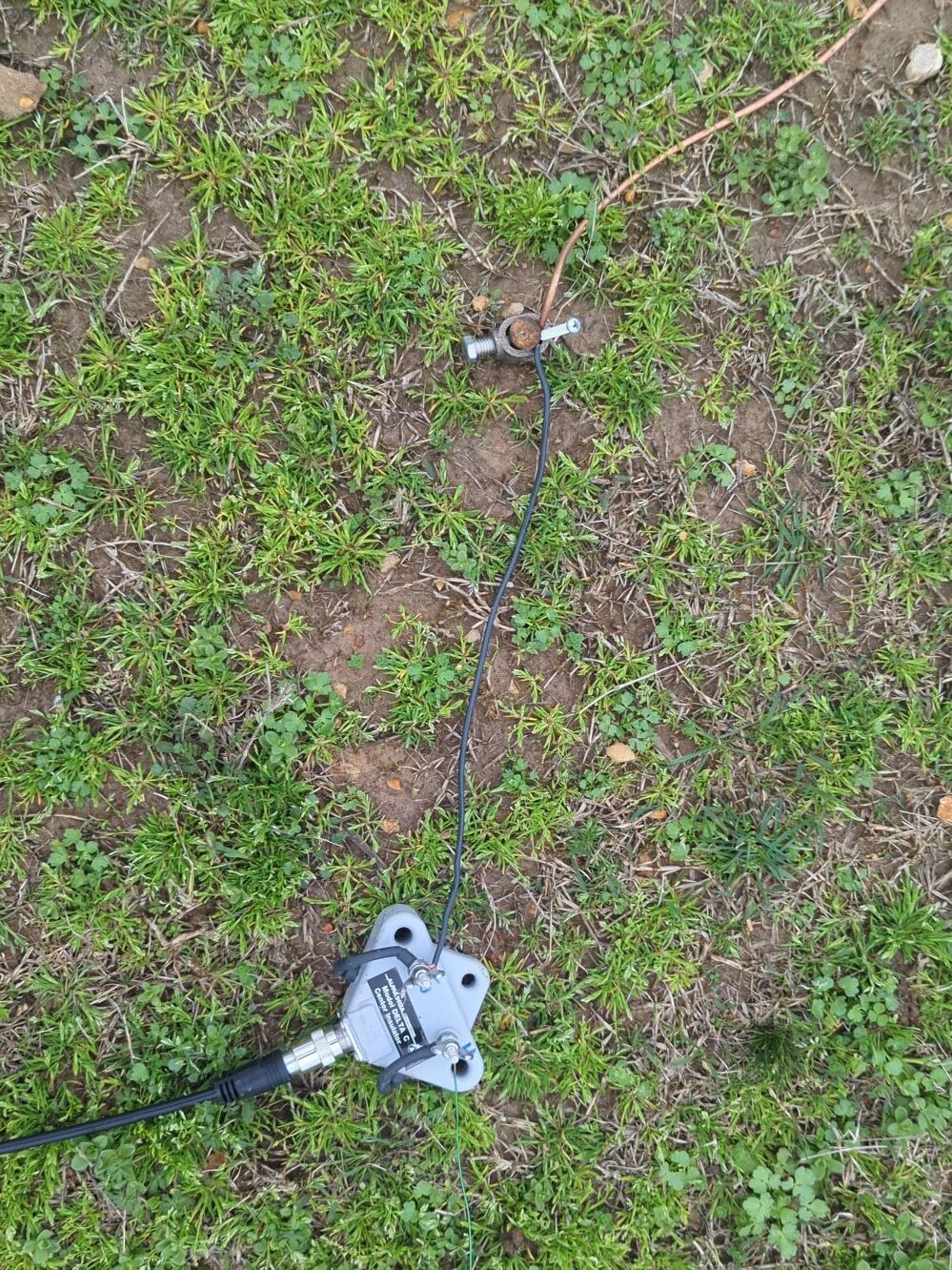
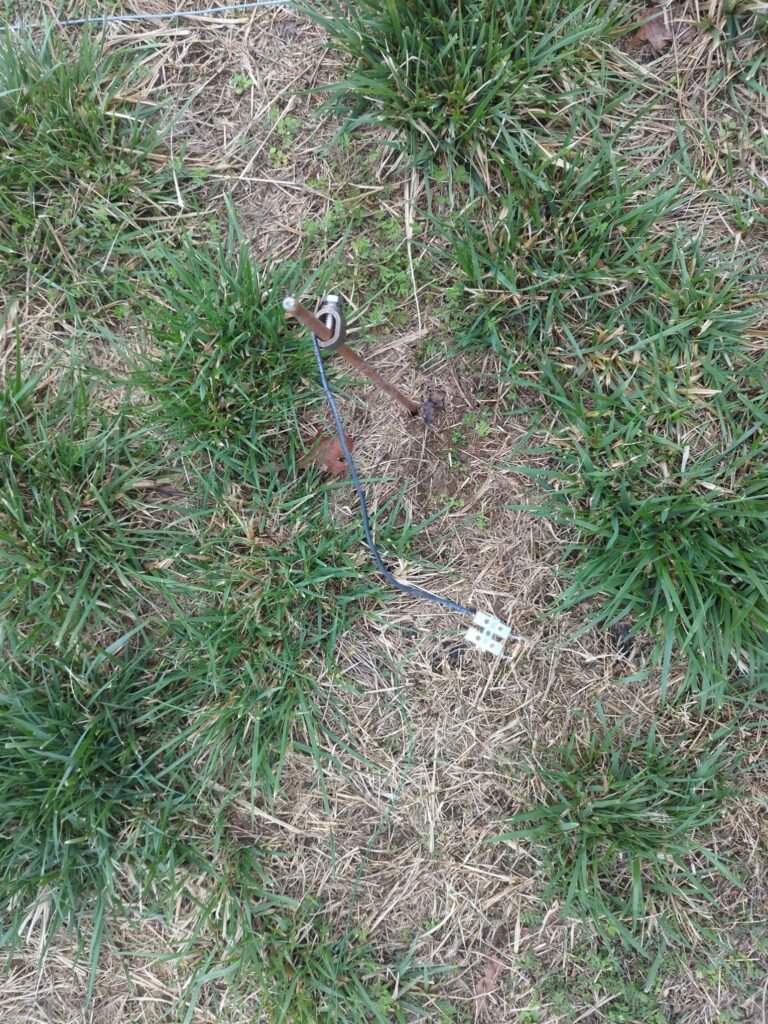
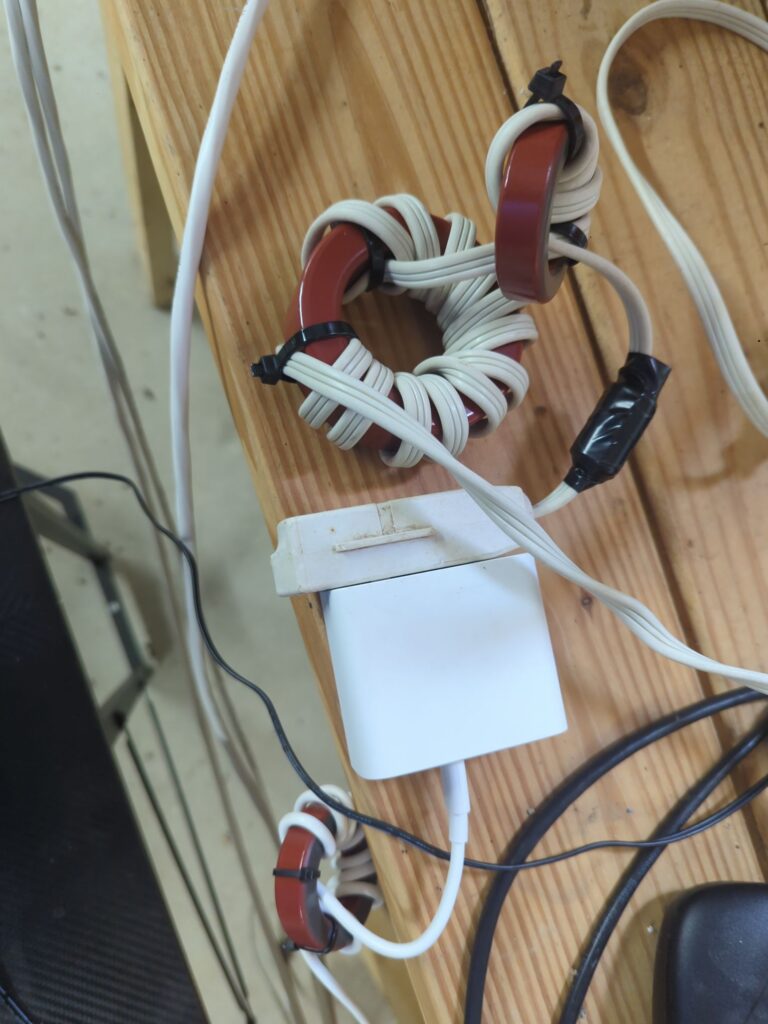
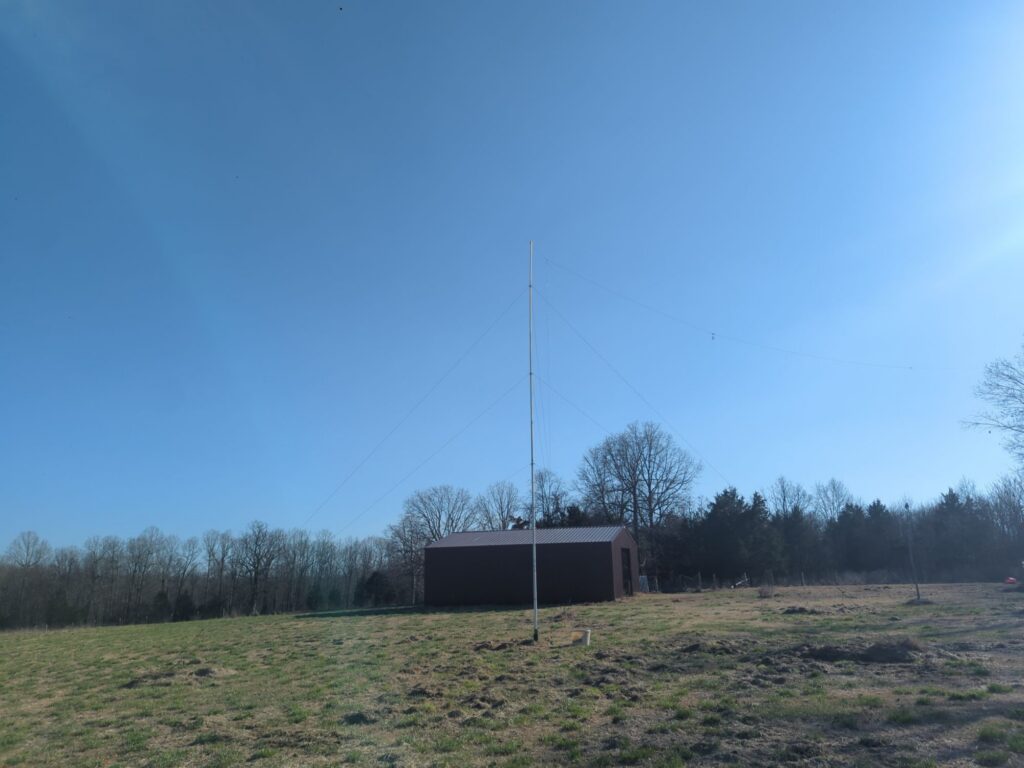
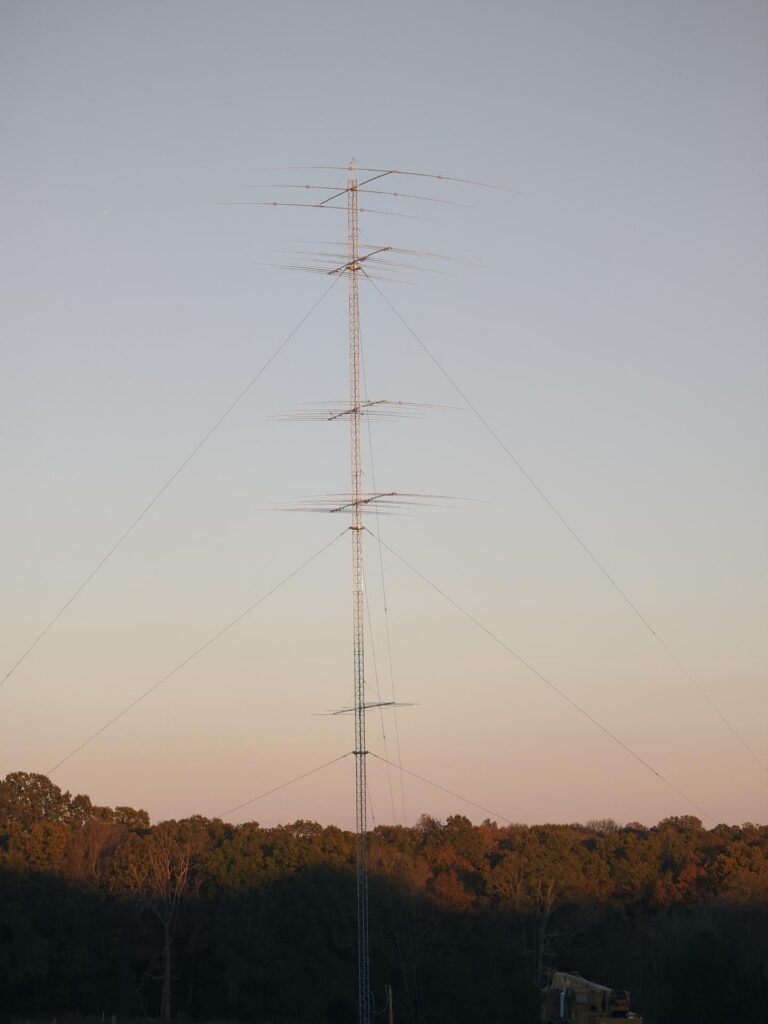
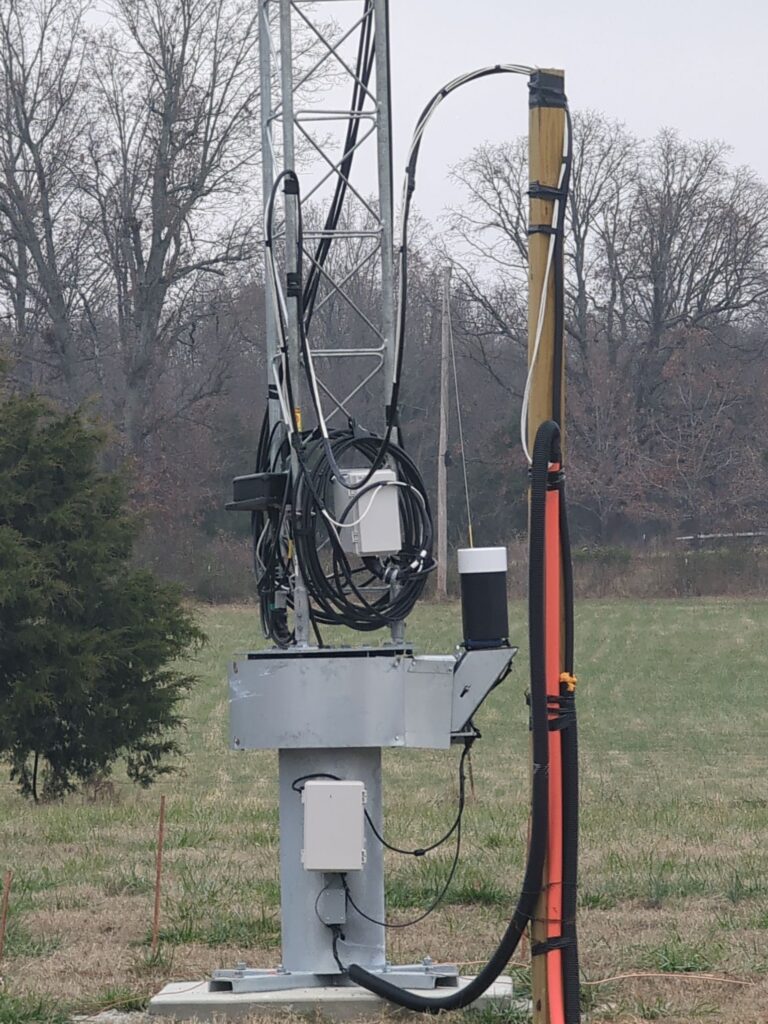
Using the two independent receivers on my Elecraft K4D, I can compare the performance of two receive antennas. RX1 is set to antenna 1 (inverted L) and RX2 to beverage on ground (BOG; 160′ long pointed towards EU). Then putting the radio in diversity mode, the output is set up such that RX1 audio appears on the left stereo channel and RX2 on the right channel. On the computer I run two independent WSJT-X instances which read the audio from the left and right channels. Note that the second WSJT-X must be started with the -r option to avoid conflict with the first instance. After running the set up for a couple of hours, I then collect the relevant data from the corresponding ALL.TXT files (.local/share/WSJT-X*) and feed them to the following program (at https://github.com/jmeloranta/ft8cmp.git) to analyze.
The cty.dat file above is the AD1C cty.dat ASCII file that includes the countries of interest for the analysis. In my case I excluded the US and Canada (removed them from the cty.dat file), so the test focused on DX receive. Since BOG is directional, I should also exclude DX stations that are not in the direction of the BOG (to be done). Note that the program compares data obtained from the two receivers during the exact same time slice. This eliminates the QSB and other effects that could play a significant role if different time slices were used in the comparison. The two RXs are identical, so the RX bias is minimal. This could be tested by reversing the roles of the two RXs. Of course, the test yields the data within the 15 second FT8 transmission cycle but both antennas have the exact same change of decoding the signals during that time slice.
The first test was on 80 m FT8 (evening time; band open to EU). The x-axis is the decoded signal strength in dB from the RX that was connected to the inverted L and y-axis signal strength from the RX connected to the BOG. The red line shows where inv L and BOG would be equally good in receiving. Points representing a single decode above the red line has BOG obtaining better signal to noise (S/N) where as below it inverted L has better S/N. Results from collecting data for a couple of hours is shown below.
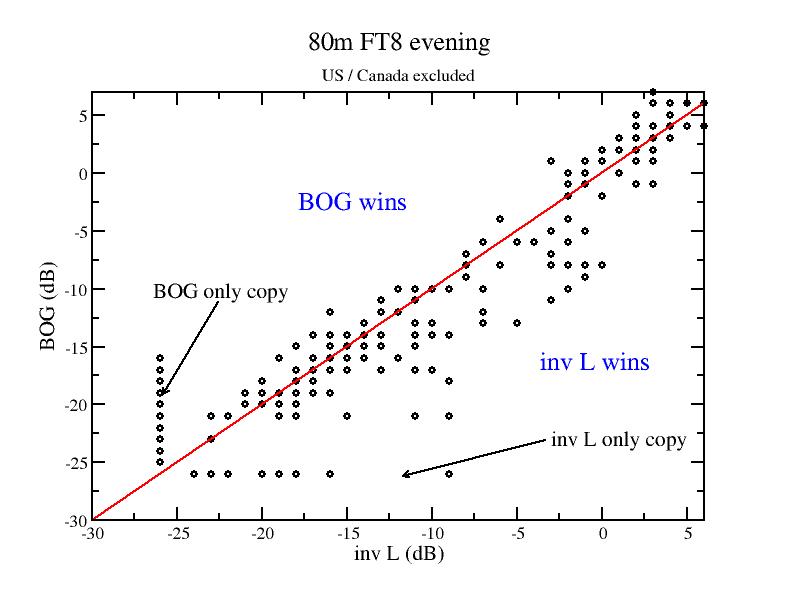
Well, BOG seems to work (very short test!!!) but another thing that this highlights the fact that running two independent WSJT-X processes with different types of antennas can improve FT8 receive a lot. There were many instances where BOG was able to decode but not inverted L and vice versa. The stations that BOG could not copy were mostly in South America (BOG was oriented towards EU). The “BOG only copy” stations on the other hand were in EU.
Below is another comparison between 60 m dipole and the same BOG as above (band open to EU):
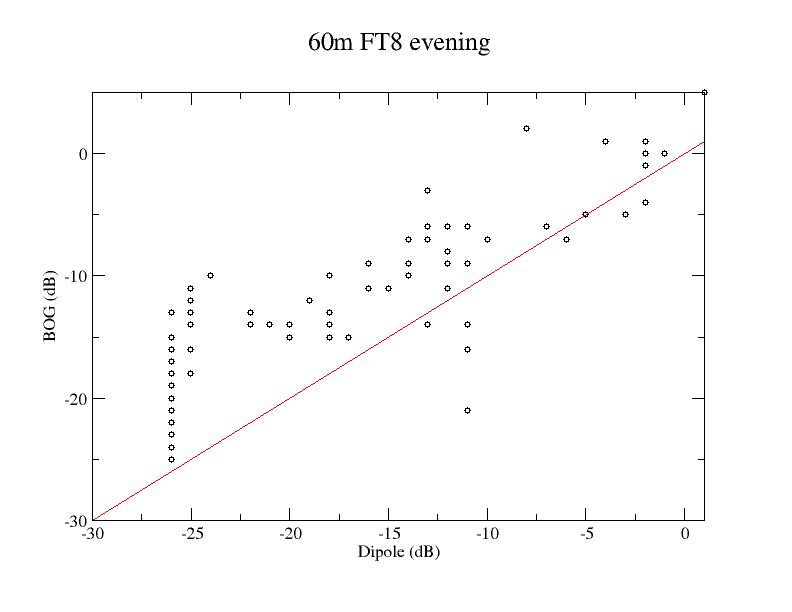
On 60 m band BOG beat dipole hands down. There were many stations that BOG heard but dipole did not. And dipole was not able to hear anything that BOG did not.
NOTE: While this can still be used, multi program (see another blog post) can collect the statistics for direct visualization.